Color Study
2020/01/29
“Shadow on nude” Paper, ink
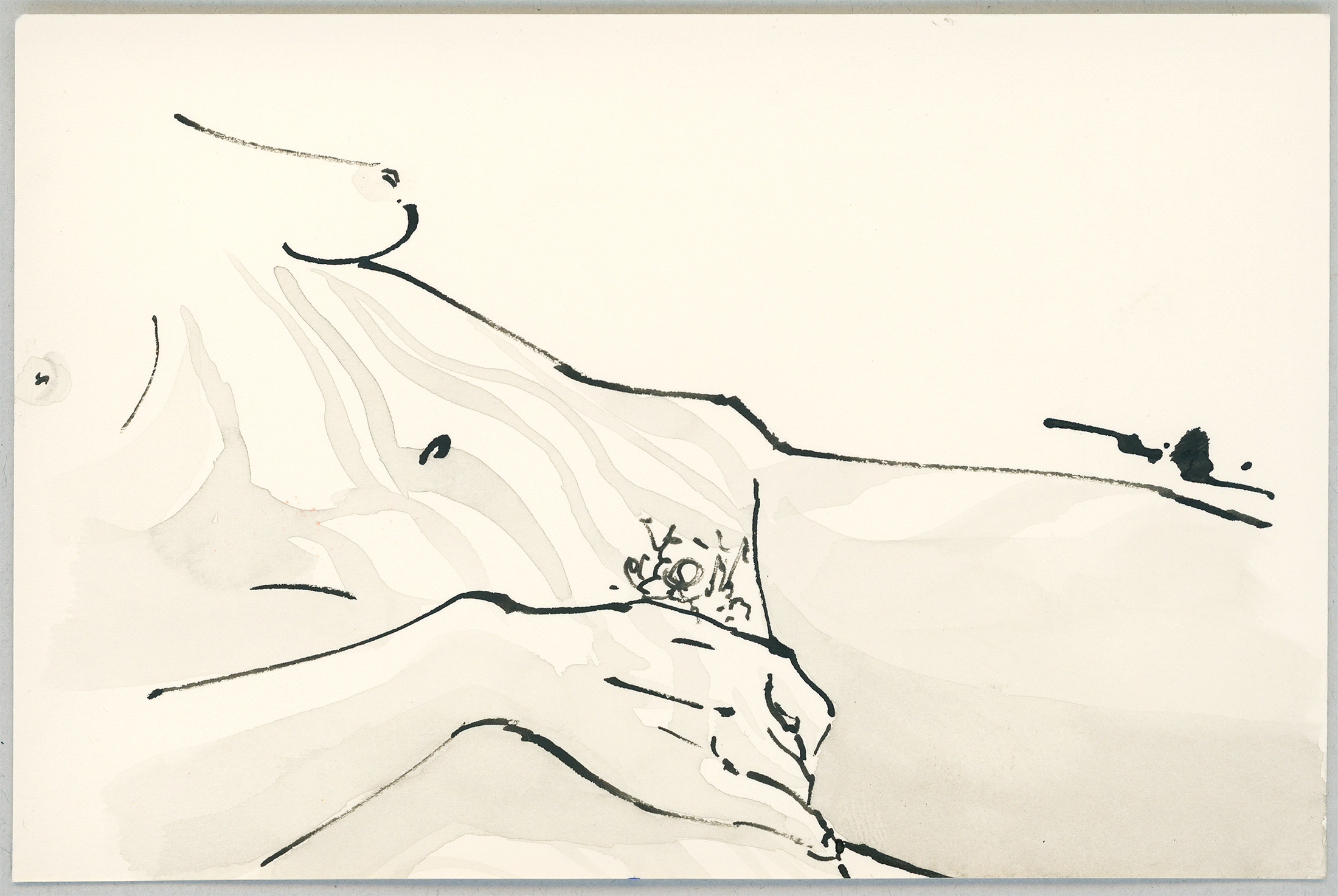
“Shadow on nude” Paper, ink
2020 January All
“Shadow on nude” Paper, ink
“Shadow on nude” Paper, ink
Artist Talk and Public Art Host: CIPS Tuesday March 10, 2020 6:00 PM FA015, Indiana University Fine Arts Takashi Arai (1978-) is a Japanese visual artist and filmmaker. Arai first encountered photography while he was a university student of biology. In an effort to trace photography to its origins …
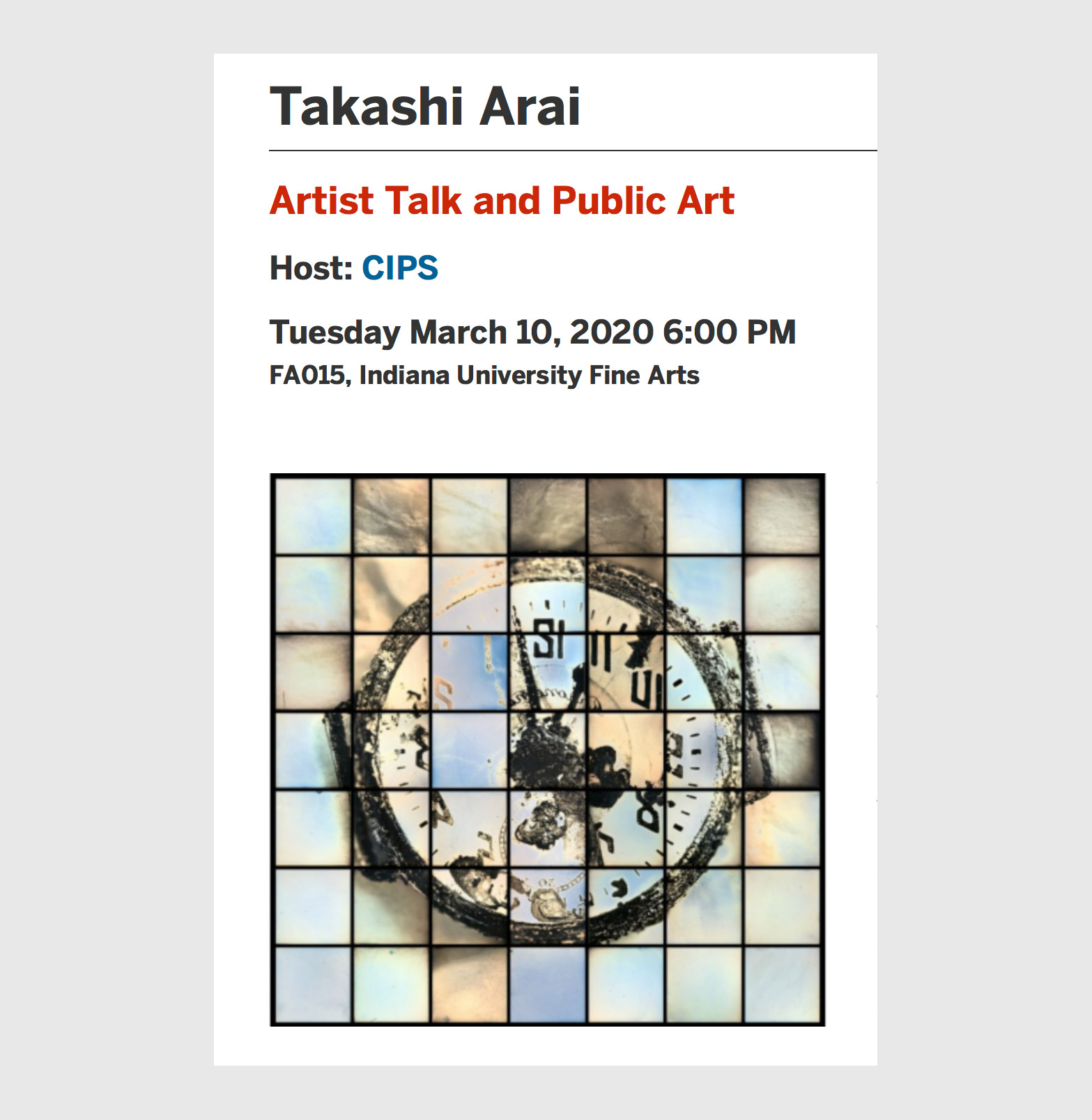
Takashi Arai (1978-) is a Japanese visual artist and filmmaker. Arai first encountered photography while he was a university student of biology. In an effort to trace photography to its origins, he encountered daguerreotype, and after much trial and error mastered the complex technique. Since the beginning in 2010, when he first became interested in nuclear issues, Arai has used the daguerreotype technique to create individual records—micro-monuments—of his encounters – records that touch upon the fragmented reality of events in the past. Since 2017, Arai has been actively working as a researcher for interdisciplinary studies, such as “Interdisciplinary Studies of Radiation Effects on the Everyday Life of Victims” (National Museum of Ethnology).
Arai’s works are included in collections such as SFMOMA, Museum of Fine Arts Boston, Tokyo Photographic Art Museum and Musee Guimet, among others.
In 2020, CIPS and Your Art Here will collaborate to unveil a billboard of Takashi’s design with funding through the IU Public Arts Grant and the city of Bloomington.The billboard will display from February 15 – March 31, 2020 is located at 101 E 6th Street 47408 in downtown Bloomington.
"Impression of Yaeyama / 八重山の思いで" Paper, gouache, ink
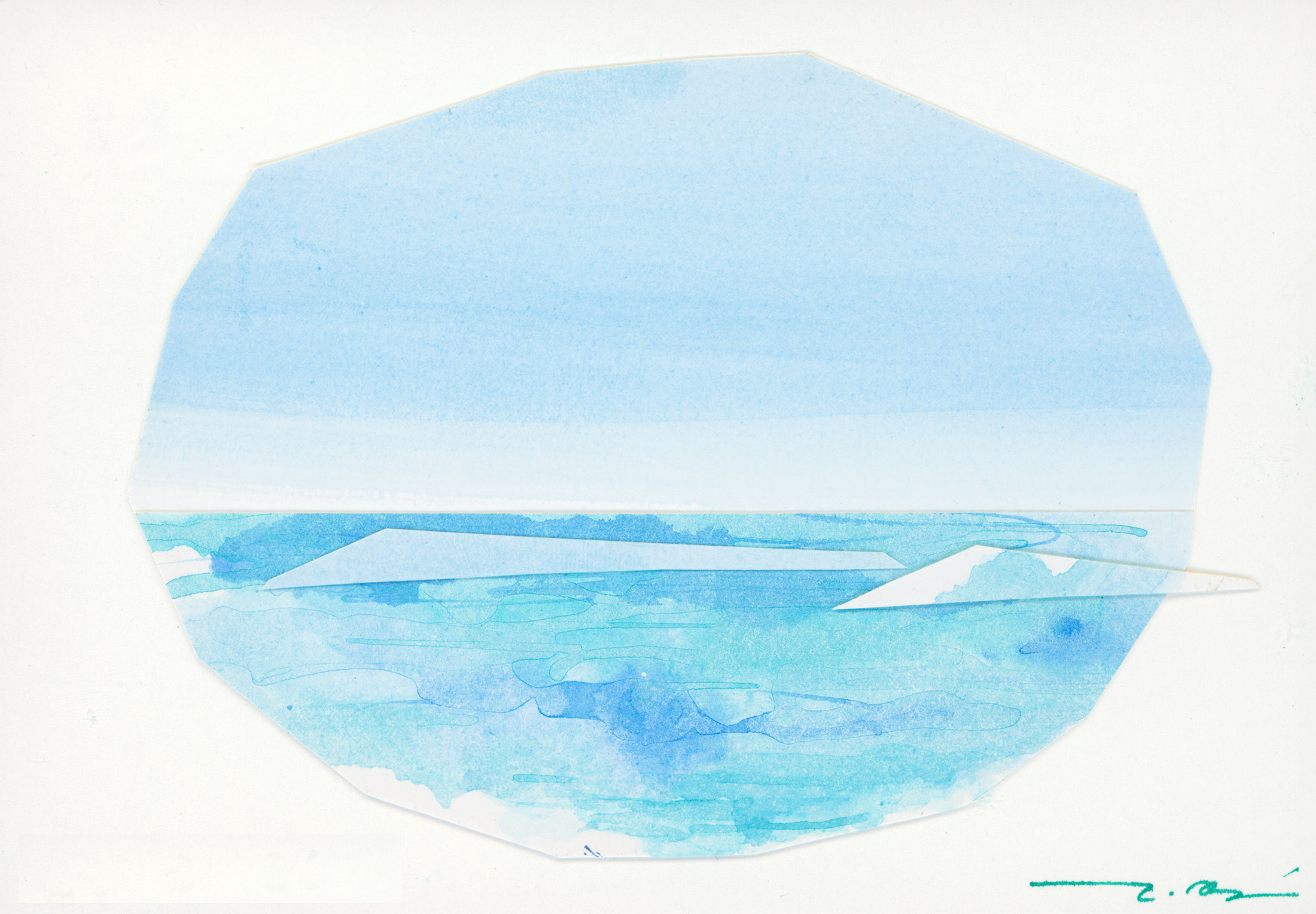
“Impression of Yaeyama / 八重山の思いで” Paper, gouache, ink